Guide
Breathing Exercises for Lung Comfort: A Plain Guide and a Simple Timer
Slow, paced breathing is taught in pulmonary rehabilitation programs and may feel calming. The timer below counts four seconds in and six out. It is a plain timer, not part of PureLung, and it does not clean, repair or detox the lungs. Ask your clinician which technique suits you if you have asthma, COPD or any lung condition.
Written by the PureLung label deskUpdated
The basics01
What is paced breathing, and who teaches it?
Paced breathing is slow, even breathing with a count, for example four seconds in and six seconds out. It is one of the techniques taught in pulmonary rehabilitation, a program that also covers exercise and education for people with lung disease (NHLBI, COPD Treatment).
People use it to calm down, to settle after activity and to practice control. It does not change how the lungs are built, and it is not a cure for any condition. A clinician or a respiratory therapist can show which technique fits your lungs, since needs differ for asthma, COPD and other conditions.
Practice02
Try the timer
The rings grow as you breathe in and shrink as you breathe out. Choose a pace and press start. It stops after ten breaths.
Ready4 in, 6 out
A plain timer for paced breathing, the kind of slow breathing taught in pulmonary rehabilitation programs (NHLBI, COPD Treatment). It does not clear, repair or detox anything and it is not part of PureLung. If you have asthma, COPD or any lung condition, ask your clinician which breathing technique suits you. Stop if you feel dizzy.
Sit upright with your shoulders loose. Breathe in through your nose if you can, and let your belly rise. Breathe out slowly through your nose or pursed lips. Stop if you feel dizzy, light-headed or short of breath. Do not use the timer during an attack. Use your rescue plan.
Techniques03
What other simple techniques exist?
Three are common, and each is described in clinic handouts and rehabilitation programs.
| Technique | How it goes | Often used for |
|---|---|---|
| Pursed-lip breathing | Breathe in through the nose; breathe out slowly through lips as if blowing out a candle | Slowing the breath after effort |
| Diaphragmatic breathing | Breathe so the belly rises while the chest stays still | Practicing relaxed breathing |
| Paced breathing | Count a longer out-breath than in-breath | Calming and pacing |
| Box breathing | Equal counts in, hold, out, hold | Stress; ask first if you have lung disease |
These are safe for most healthy people. If you have a lung condition, ask a clinician before you start, because holding the breath or breathing fast can be wrong for some people.
What it can and cannot do04
Does breathing practice help the lungs?
It can help you feel in control, lower tension and make breathlessness less frightening. Rehabilitation programs include breathing training as one part of care for COPD, along with exercise and medicine (NHLBI, COPD Treatment). It can be a good habit for anyone.
It does not remove mucus, does not "cleanse" the lungs and does not replace an inhaler. No exercise has been shown to undo smoking damage. The American Lung Association says that quick fixes for lung detox are not to be trusted (ALA, Can You Detox Your Lungs?). Keep the claims small and the practice steady.
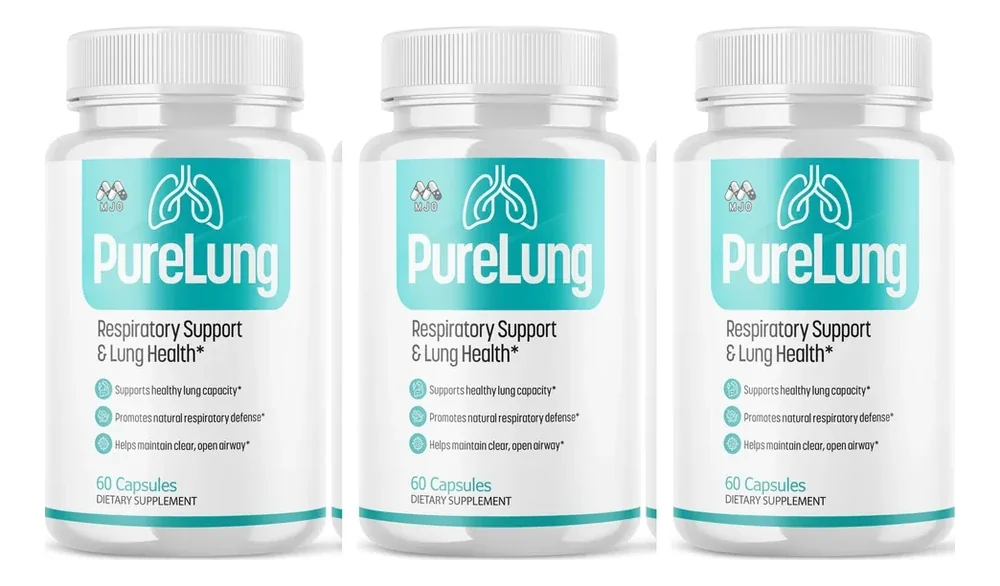
PureLung is a capsule supplement with no breathing claim beyond four soft phrases. The timer is separate and free. Use one, both or neither, and keep your medicines.
Cautions05
When should you not use breathing practice?
Do not use it in place of rescue treatment. Stop and get help for severe shortness of breath, chest pain, blue lips, confusion or fainting, and call 911 (MedlinePlus, Breathing Difficulty).
Stop if you feel dizzy, tingly or panicky. Do not force long breath holds. If you have a heart condition, high blood pressure or a lung condition, ask a clinician before trying new patterns. See emergency breathing signs for the full list.
PureLung: 60 capsules a bottlePacks of 1, 3 or 6 bottles · live price shown at checkout · guarantee as printed on the live listing
See packsRoutine06
How can you build a small daily habit?
Pick a regular cue, such as after brushing your teeth or before bed. Start with one minute. Add a minute each week up to five. Write down how you feel before and after in your note. Notice whether the habit calms you or tires you.
Pair the habit with real lung care: no smoking or vaping, clean air, vaccines and activity. These are in healthy lung habits. A short, steady practice helps more than a long, rare one.
A first week07
What does a first week of practice look like?
Day one, try the timer for one minute at the slow pace and notice how you feel. Day two and three, repeat, and try sitting in a different chair or lying down with your knees bent. On day four, try one minute of pursed-lip breathing after climbing stairs or a short walk, a use that rehabilitation programs often teach. By day six, work up to three minutes.
Keep the note short: time, minutes, and how you felt on a scale of one to five before and after. If a day feels worse, skip it and tell a clinician if it keeps happening. The aim is calm and control, not a record. Some people find that a phone reminder helps, and others prefer a link to an existing habit, such as the morning coffee.
Breath and worry08
Why do people with lung disease often feel anxious about breathing?
Breathlessness is frightening, and fear can make breathing faster and shallower, which feels worse. That loop is common in asthma and COPD, and it is one reason clinics teach calm breathing. Slow breathing may break the loop for some people, though the lungs themselves do not change.
If anxiety is a big part of how you feel, say so. A clinician can look at both the lungs and the worry, and treatments exist for each. Counseling, rehabilitation and medicine can all help. A supplement is a small piece of that picture at best, and no label we read makes a claim about anxiety.
Ask a pro09
Which questions should you take to a respiratory therapist?
A respiratory therapist or a pulmonary rehabilitation nurse can watch you breathe and give you a plan. Useful questions: Which technique is right for my lungs? How many breaths a minute should I aim for? When should I use it, and when not? Can it help after exercise or when I am anxious? What are the signs to stop?
Ask them to check your inhaler technique too, since many people use inhalers in ways that cut the dose that reaches the lungs. A ten-minute check can make your medicine work better, and it costs far less than any bottle. Bring the PureLung label if you take it, so the whole team knows what you use.
- Bring: your inhalers, your note and your supplement bottles.
- Ask: how to practice at home, and how often.
- Write down: the one or two steps they give you.
FAQ10
PureLung questions people ask
Can breathing exercises clean the lungs?
No. Lungs clean themselves. Breathing practice may help you feel calmer and in control.
Can breathing exercises replace an inhaler?
No. Keep your medicine and your plan.
What is the best breathing exercise for COPD?
A clinician or therapist can teach what suits you, often pursed-lip and paced breathing (NHLBI, COPD Treatment).
How long should I practice?
Start with one to five minutes. Stop if you feel dizzy.
Is the timer part of PureLung?
No. It is a plain timer with no link to the product.
Can I use it during an asthma attack?
No. Use your action plan and call for help if it is severe.
Is box breathing safe?
For most healthy people yes. Ask a clinician first if you have lung or heart disease.
Who wrote this11
Written and reviewed by
Pages built from the label images, seller information and linked NIH, FDA, CDC, FTC and peer-reviewed sources.
Last updated . Read our editorial standards and how we check reviews. This website is the information site for a U.S. authorized retailer for PureLung. It is not the manufacturer or the distributor named on the label. We earn money when you buy through our order links.
Keep reading
More about PureLung
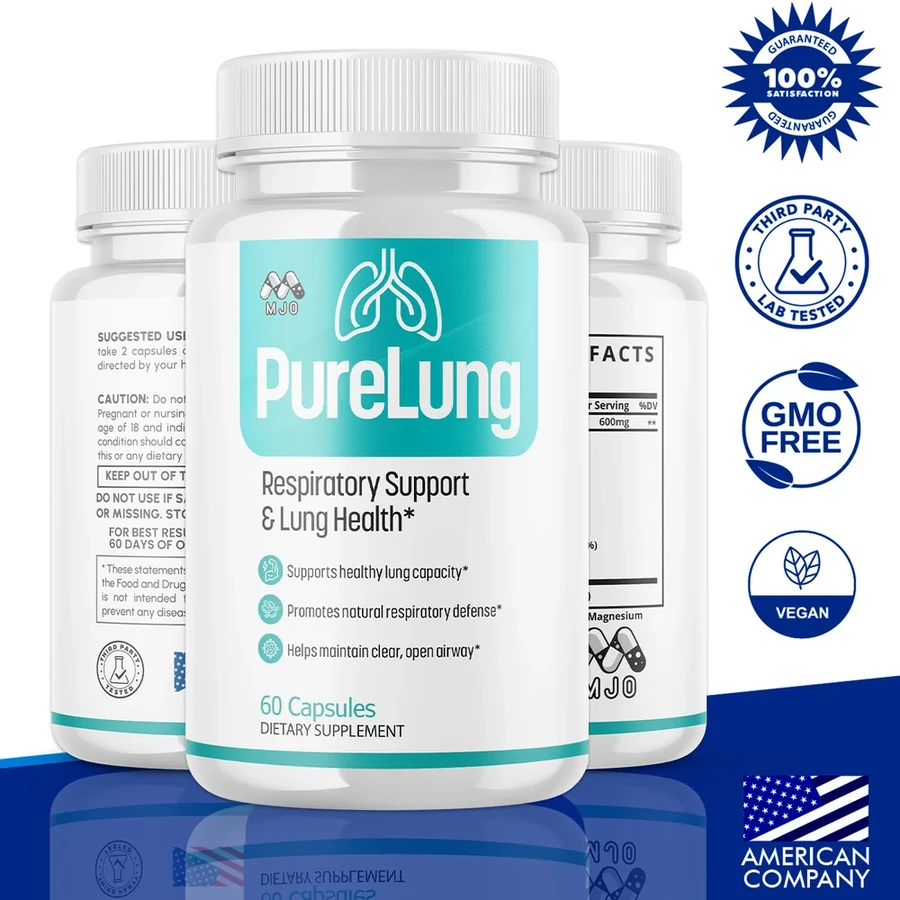
U.S. authorized retailer for PureLung
Ready to look at PureLung?
Check your medicines first, keep every inhaler and prescribed medicine, read the directions on the bottle that arrives, then pick a pack of 1, 3 or 6 bottles. The checkout shows the live price, any shipping and the guarantee.
- Checkout runs on the sales site
- Guarantee as printed on the live listing
- Ships from the U.S.