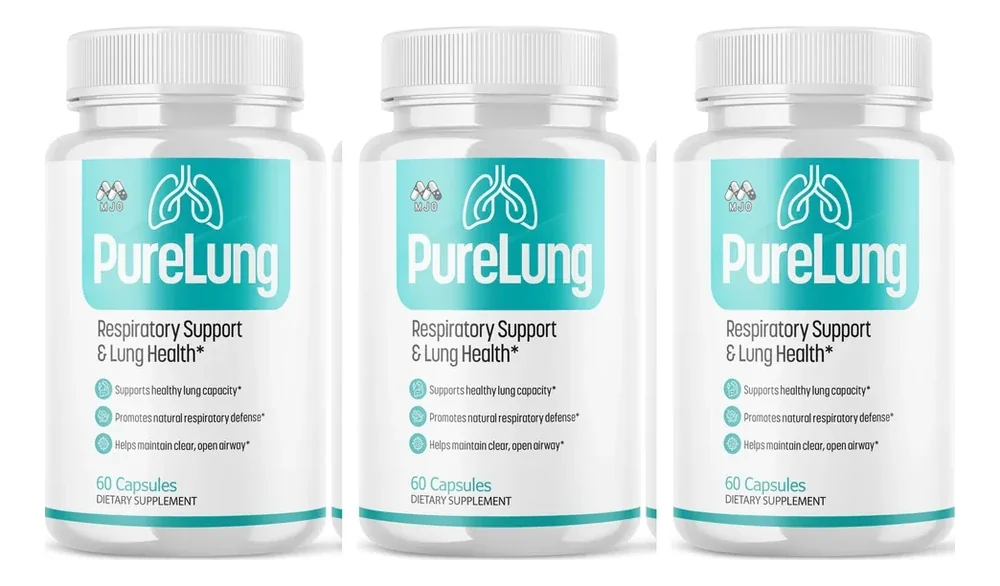
Ingredients 5 and 10 of 11
Lutein and Zeaxanthin in PureLung: Names 5 and 10 of 11
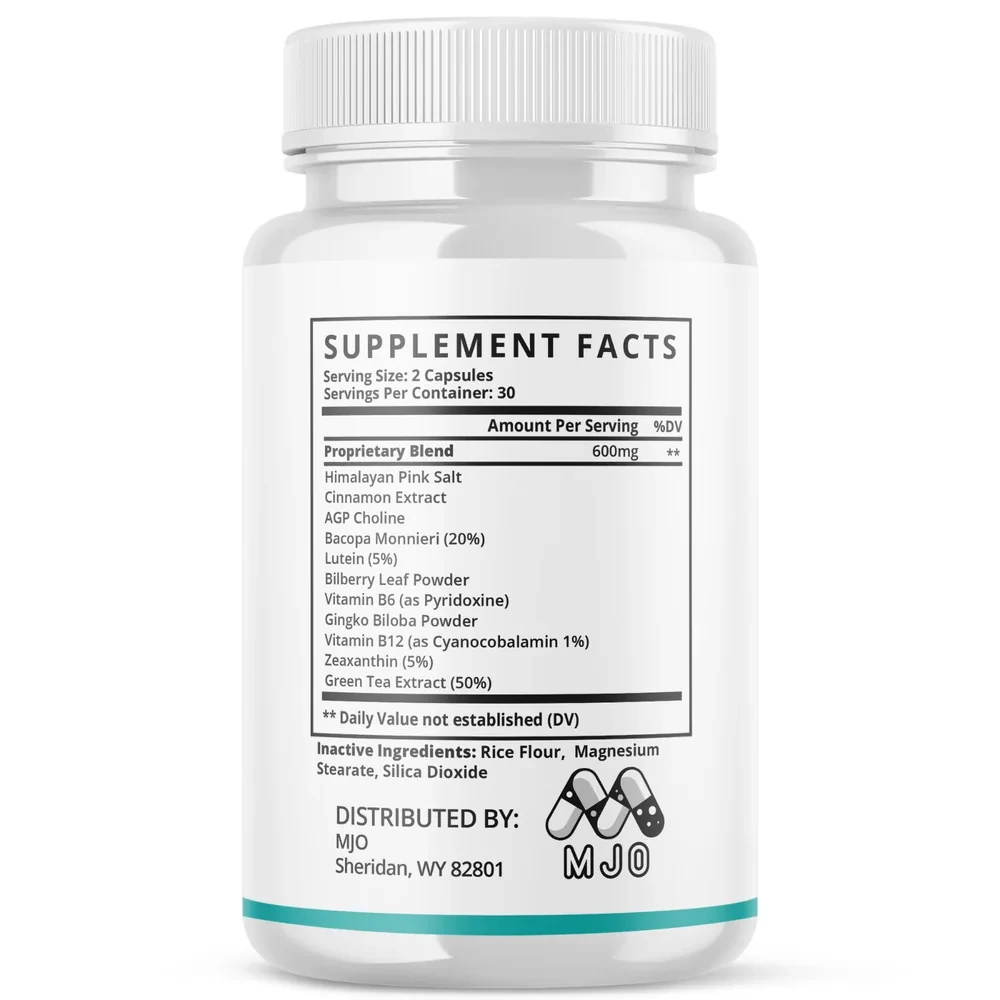
Lutein (5%) is the fifth name in the PureLung blend and zeaxanthin (5%) is the tenth. Lutein can weigh at most 120 mg and zeaxanthin at most 60 mg per serving of 2 capsules, with no amount printed. They are plant pigments found in leafy greens and egg yolks and sold for eye health. Lutein intake has not been linked to lower lung cancer risk.
Written by the PureLung label deskUpdated
What they are01
What are lutein and zeaxanthin?
They are carotenoids, plant pigments that give color to kale, spinach, corn, egg yolks and other foods. They gather in the center of the retina and are sold as supplements for eye health.
Memorial Sloan Kettering's patient page says lutein from food is safe, that supplements are used for cataracts and macular degeneration and to improve vision, and that people should talk to a provider before taking supplements (MSK, Lutein). The label prints both with a percent, "Lutein (5%)" and "Zeaxanthin (5%)", and does not say what the percent means.
On the label02
What does the PureLung label show for them?
Lutein is fifth and zeaxanthin is tenth, each with no amount printed. In weight order, lutein weighs at most 600 divided by 5, or 120 mg, and zeaxanthin at most 600 divided by 10, or 60 mg (FDA, Q&A on Dietary Supplements).
| Name on the label | Lutein (5%) |
|---|---|
| What it is | plant pigment |
| Place in the list | 5 of 11 in the Proprietary Blend (heaviest name first) |
| Amount | inside the 600 mg blend; no separate amount printed |
| Most it could weigh | 120 mg per serving of 2 capsules |
| Usually sold for | Sold for eye health |
| Lung benefit in a trial of this capsule | None. No study of PureLung found |
| Main caution | Lutein from food is safe; ask a clinician before supplements. Lutein has not been linked with lower lung cancer risk. |
| Name on the label | Zeaxanthin (5%) |
|---|---|
| What it is | plant pigment |
| Place in the list | 10 of 11 in the Proprietary Blend (heaviest name first) |
| Amount | inside the 600 mg blend; no separate amount printed |
| Most it could weigh | 60 mg per serving of 2 capsules |
| Usually sold for | Sold for eye health |
| Lung benefit in a trial of this capsule | None. No study of PureLung found |
| Main caution | Food sources are safe; supplement amounts are not printed. |
They are listed with a gap of five names between them, which is unusual because the two are often sold together. The label does not say why. Both ceilings are well above the amounts used in most eye-health products, so a ceiling here says little about the real amount.
Lung evidence03
Is there evidence for them and the lungs?
No. The MSK page says lutein is used for the eye and notes that lutein intake has not been linked to lower lung cancer risk (MSK, Lutein). We found no trial of lutein or zeaxanthin for asthma, COPD or lung function.
A caution comes from a different pigment. A large trial of male smokers found that beta-carotene supplements increased lung cancer cases (NCI, Antioxidants and Cancer Prevention). Lutein and zeaxanthin are not beta-carotene, and PureLung does not list it. The lesson is that a carotenoid that sounds protective can still be harmful in the wrong group, and that only trials can tell.
Safety04
What about safety?
Food sources are safe for most people. MSK advises talking to a provider before supplements (MSK, Lutein). Supplement amounts here are not printed. High doses of carotenoids can tint the skin yellow, and they can cause stomach upset in some people.
If you smoke, ask a clinician before any carotenoid supplement, given the beta-carotene trial results (NCI, Antioxidants and Cancer Prevention). If you have an eye condition and take a supplement for it, keep your eye doctor in the loop, and tell them about PureLung.
| Item | Lutein | Zeaxanthin |
|---|---|---|
| Position on the label | 5 of 11 | 10 of 11 |
| Most it could weigh | 120 mg | 60 mg |
| Printed amount | None; shows (5%) | None; shows (5%) |
| Lung evidence | None found | None found |
| Main caution | Ask before supplements | Ask before supplements |
Food05
Where do you get them in food?
Cooked kale and spinach, collards, peas, corn, egg yolks and some orange peppers are good sources. A few servings a week of leafy greens give a steady supply. Cooking with a little fat helps the body take in carotenoids.
If you want lutein for the eyes, food is the usual place to start, and an eye doctor can say whether a supplement suits you. If a lung product is your reason to look, remember that these pigments have no lung role in the sources we read.
PureLung: 60 capsules a bottlePacks of 1, 3 or 6 bottles · live price shown at checkout · guarantee as printed on the live listing
See packsQuestions06
What should you ask?
Ask the order desk how much lutein and zeaxanthin are in a serving, what 5% measures and where the pigments come from, such as marigold flowers. Ask an eye doctor if you have a retinal condition. If you smoke, ask a clinician before any carotenoid. And keep your medicines.
Background07
Why do these pigments get so much attention?
Because the retina holds a lot of them, and because eye health is a common worry as people age. That makes lutein and zeaxanthin easy to sell, and they appear in many supplements, including ones that have nothing to do with the eye. It does not make them lung ingredients. A reader who sees them on a lung label should ask what the maker intends, and a reader who wants them for the eye should look for a product built for that, with printed amounts.
Split names08
What does the split on the label tell you?
Lutein and zeaxanthin are listed apart, at positions five and ten. That may mean the maker bought them as two ingredients, or listed them in the order of weight, with zeaxanthin lower. Either way, the ceilings here are 120 mg and 60 mg, which are far above typical eye-health doses, so the ceilings tell you only that the label leaves room for a wide range. Ask for the amounts, and you will know.
FAQ09
PureLung questions people ask
Why are lutein and zeaxanthin in a lung supplement?
The label does not say. They are eye pigments, and no lung role was found.
How much lutein is in PureLung?
Not printed. It could weigh at most 120 mg per serving.
How much zeaxanthin is in PureLung?
Not printed. It could weigh at most 60 mg per serving.
Do they help smokers' lungs?
No evidence supports that. A trial of beta-carotene in smokers raised lung cancer cases (NCI, Antioxidants and Cancer Prevention).
Are they safe?
Food sources are safe. Ask a provider before supplements (MSK, Lutein).
What does 5% mean?
The label does not say. It likely shows extract strength.
Where can I get them from food?
Leafy greens, corn, peas and egg yolks.
Who wrote this10
Written and reviewed by
Pages built from the label images, seller information and linked NIH, FDA, CDC, FTC and peer-reviewed sources.
Last updated . Read our editorial standards and how we check reviews. This website is the information site for a U.S. authorized retailer for PureLung. It is not the manufacturer or the distributor named on the label. We earn money when you buy through our order links.
Keep reading
More about PureLung
U.S. authorized retailer for PureLung
Ready to look at PureLung?
Check your medicines first, keep every inhaler and prescribed medicine, read the directions on the bottle that arrives, then pick a pack of 1, 3 or 6 bottles. The checkout shows the live price, any shipping and the guarantee.
- Checkout runs on the sales site
- Guarantee as printed on the live listing
- Ships from the U.S.