Ingredient 11 of 11
Green Tea Extract in PureLung: Last of 11, With Liver and Caffeine Cautions
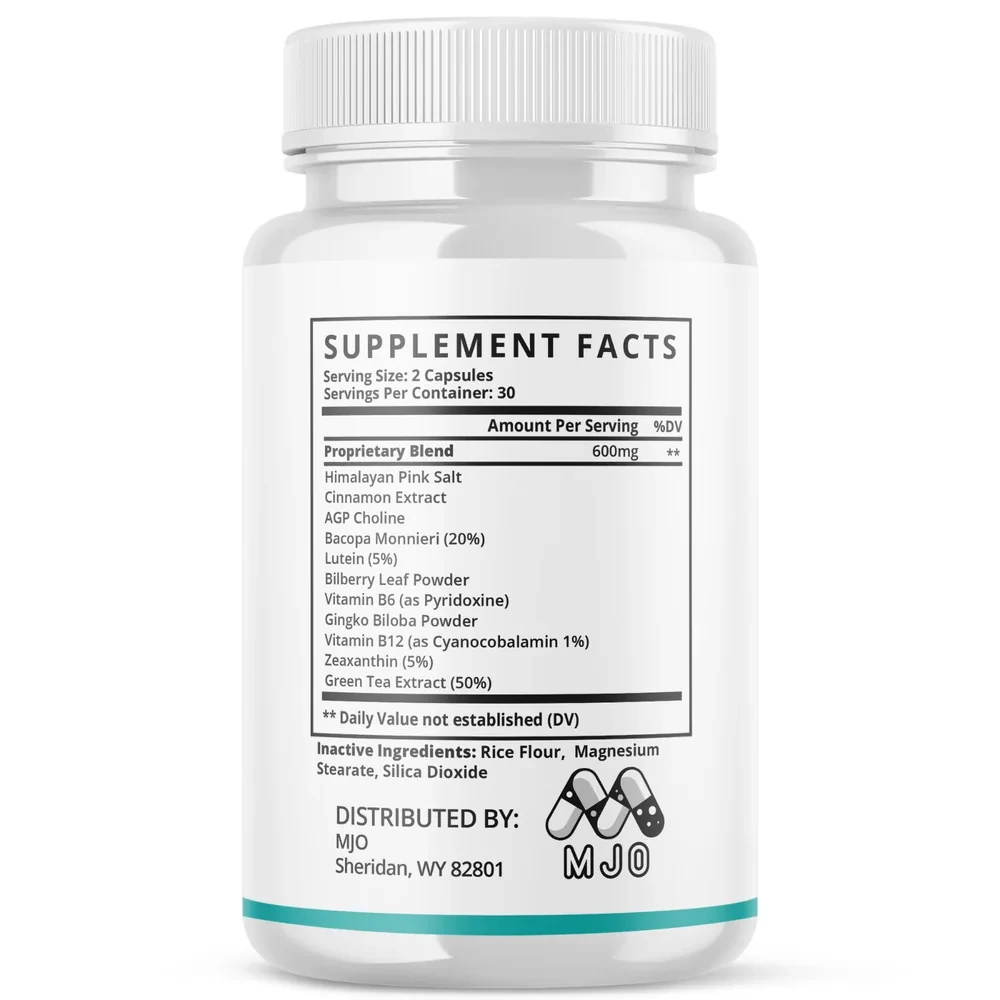
Green tea extract (50%) is the last name in the PureLung blend, so it weighs at most about 54.5 mg per serving of 2 capsules, with no amount printed. NCCIH says green tea extract supplements can cause stomach upset and higher blood pressure, that rare liver injury has been reported mainly with capsule extracts, and that green tea has caffeine. No lung evidence was found.
Written by the PureLung label deskUpdated
What it is01
What is green tea extract?
It is a concentrated extract of green tea leaves, often rich in compounds called catechins, and it usually carries some caffeine. It is sold in capsules for general wellness and weight control. The label says "Green Tea Extract (50%)" and does not say what the 50% measures. In many products it refers to catechin content.
NCCIH reports no safety concerns for green tea as a drink, but notes that it contains caffeine, and that extract supplements can cause nausea, constipation, stomach discomfort and higher blood pressure (NCCIH, Green Tea). It adds that liver injury is uncommon but has been reported, mainly with extracts in tablet or capsule form.
On the label02
What does the PureLung label show for it?
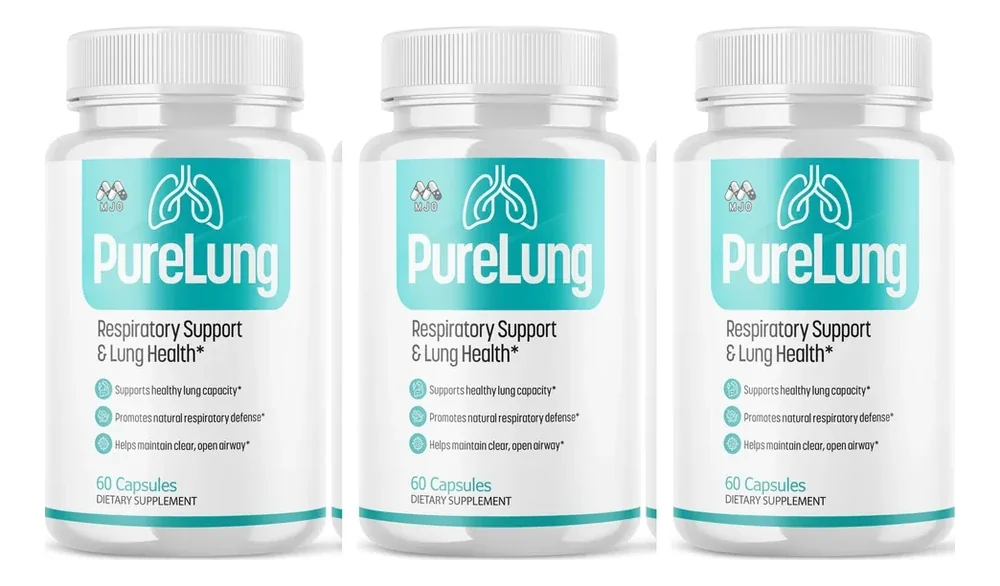
It is the eleventh and last name in the blend, with no amount printed. By weight order it is the lightest, at most 600 divided by 11, about 54.5 mg (FDA, Q&A on Dietary Supplements).
| Name on the label | Green Tea Extract (50%) |
|---|---|
| What it is | plant extract |
| Place in the list | 11 of 11 in the Proprietary Blend (heaviest name first) |
| Amount | inside the 600 mg blend; no separate amount printed |
| Most it could weigh | 54.5 mg per serving of 2 capsules |
| Usually sold for | Sold for general wellness and weight control |
| Lung benefit in a trial of this capsule | None. No study of PureLung found |
| Main caution | Green tea extract in capsules has been linked with rare liver injury; it also contains caffeine and may interact with some medicines. |
A small share is good news for the liver caution, since the reports of liver injury concern larger doses of extract, as far as our sources say. Still, we cannot say the amount is small, because the label does not print it, and a ceiling is only a ceiling.
Lung evidence03
Is there evidence for green tea and the lungs?
No. NCCIH's page on green tea covers its safety and its uses and gives no lung benefit (NCCIH, Green Tea). We found no trial of green tea extract capsules for asthma, COPD or lung function. Drinking green tea is a long habit in many places, and studies of habits do not show what a capsule does.
If the reason you look at green tea is general wellness, a cup of tea is a gentler way to get it, with less concentration of catechins. A capsule is a different thing from a cup, and the label of PureLung does not say how it compares.
Safety04
What are the cautions?
Four stand out. The liver, with rare reports of injury from capsule extracts. Caffeine, which can cause jitters, poor sleep and a fast heartbeat in sensitive people. Blood pressure, which may rise. And medicines, since green tea may interact with some, such as atorvastatin and raloxifene, according to NCCIH (NCCIH, Green Tea).
If you have liver disease, take liver-affecting medicines, are sensitive to caffeine, have high blood pressure or take a statin, ask a pharmacist first. Stop and call a clinician if you notice yellow skin or eyes, dark urine, severe stomach pain or marked tiredness.
| Item | Fact |
|---|---|
| Position on the label | 11 of 11 |
| Most it could weigh | About 54.5 mg |
| Printed amount | None; shows (50%) |
| Caffeine amount | Not printed |
| Lung evidence | None found |
| Main cautions | Liver, caffeine, blood pressure, some medicines |
With cinnamon05
How does it combine with cinnamon?
Both names carry liver notes. Cassia cinnamon contains coumarin, and green tea extract capsules have liver reports (NCCIH, Cinnamon). Taken together at unknown amounts, they are one reason a person with liver trouble should ask first.
Neither name was shown to cause trouble at the small amounts that a blend ceiling allows, and the label does not tell us the amounts. The sensible step for a person with a liver history is to ask a pharmacist and to skip any product they cannot fully check.
PureLung: 60 capsules a bottlePacks of 1, 3 or 6 bottles · live price shown at checkout · guarantee as printed on the live listing
See packsQuestions06
What should you ask?
Ask the order desk how much green tea extract is in a serving, what 50% measures, how much caffeine a serving holds and whether the lot is tested. Ask a pharmacist about your medicines. If you avoid caffeine for health reasons, get the number before you buy.
Cup vs capsule07
How does green tea extract differ from a cup of tea?
A cup of green tea holds a modest amount of caffeine and catechins, diluted in water, and is drunk slowly with a meal or a break. A capsule delivers a concentrated amount at once, often on an empty stomach, which is when liver and stomach trouble are more likely to show. NCCIH's distinction is clear: no safety concern for the drink, with some for extract supplements (NCCIH, Green Tea). If tea is the part of the formula you like, a cup is the gentler form.
Higher risk08
Who should pay special attention?
People who are sensitive to caffeine, who have anxiety, a fast heartbeat, high blood pressure, liver disease or iron deficiency anemia, and those who take statins, certain cancer or hormone medicines or a long list of other drugs. Pregnant and nursing women should ask before any caffeine-containing supplement. If you fit any of these, make the pharmacist call first.
Caffeine09
What about caffeine and sleep?
The label prints no caffeine amount, and green tea extract can hold some. If you drink coffee or tea, take energy products or are sensitive, add up your total for the day. Taking capsules late in the day may disturb sleep for some people. If you notice poor sleep, a racing heart or jitters, stop the capsules, tell a clinician and ask the order desk for the caffeine per serving.
FAQ10
PureLung questions people ask
Does PureLung contain caffeine?
The label prints no caffeine amount. Green tea extract contains some, so ask the order desk.
How much green tea extract is in PureLung?
Not printed. It could weigh at most about 54.5 mg per serving.
Can green tea extract harm the liver?
Rare injury has been reported, mainly with capsule extracts (NCCIH, Green Tea).
Does green tea help the lungs?
We found no evidence that it does.
Does it interact with medicines?
It may, for example with atorvastatin and raloxifene (NCCIH, Green Tea).
Can it raise blood pressure?
It can in some people (NCCIH, Green Tea).
What does 50% mean?
The label does not say. It likely shows extract strength.
Who wrote this11
Written and reviewed by
Pages built from the label images, seller information and linked NIH, FDA, CDC, FTC and peer-reviewed sources.
Last updated . Read our editorial standards and how we check reviews. This website is the information site for a U.S. authorized retailer for PureLung. It is not the manufacturer or the distributor named on the label. We earn money when you buy through our order links.
Keep reading
More about PureLung
U.S. authorized retailer for PureLung
Ready to look at PureLung?
Check your medicines first, keep every inhaler and prescribed medicine, read the directions on the bottle that arrives, then pick a pack of 1, 3 or 6 bottles. The checkout shows the live price, any shipping and the guarantee.
- Checkout runs on the sales site
- Guarantee as printed on the live listing
- Ships from the U.S.